
Writing and photography by Shavorne Wilbraham
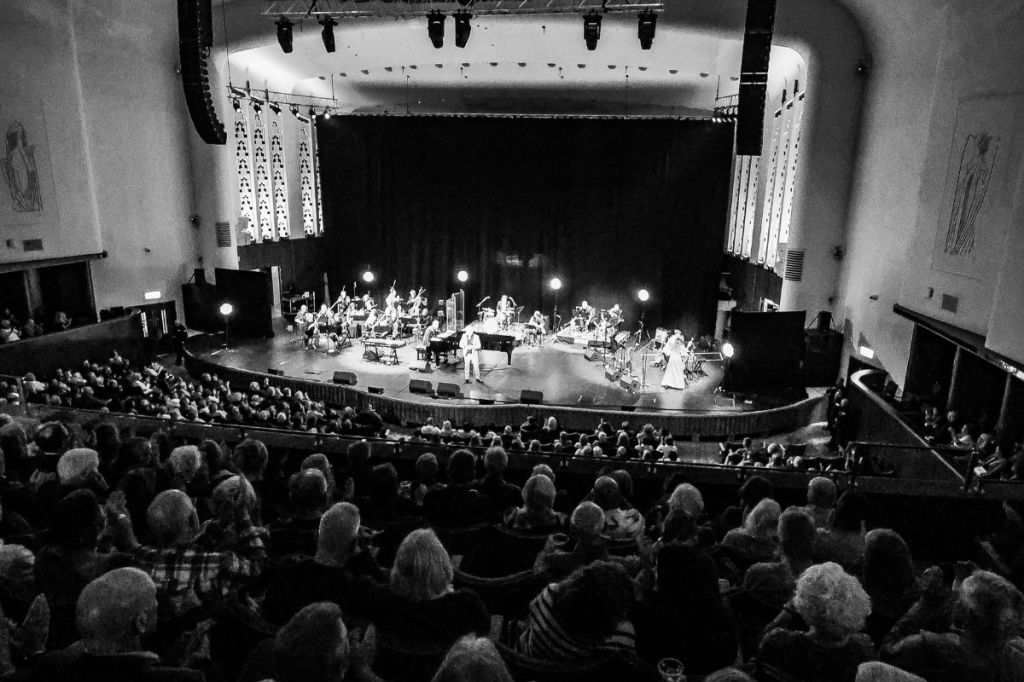
On a chilly, windy Wednesday evening, I found myself once again at The Liverpool Philharmonic Hall.
With its curved Art Deco architecture and beautifully tuned acoustics, I couldn’t imagine a better host for an evening of Burt Bacharach, presented by Bacharach’s very own musical director, Rob Shirakbari.
What The World Needs Now is a full-scale, orchestral celebration of Bacharach’s legacy, a production built to honour the emotional precision, melodic sophistication and sheer cultural reach of one of modern music’s most prolific songwriters.
Led by Bacharach’s longtime musical director and arranger, Shirakbari, the show paired the Royal Philharmonic Concert Orchestra with a rotating cast of acclaimed vocalists.
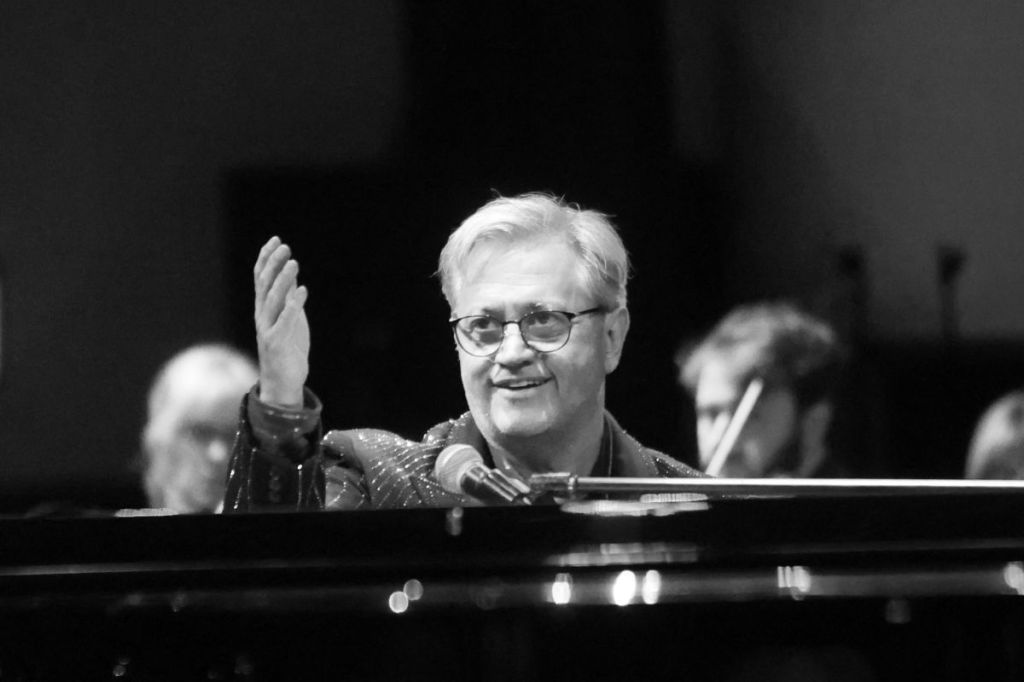
The lights rose slightly as the orchestra settled into place, joined moments later by Shirakbari. Warm applause rippled across the hall just seconds before Ed Harcourt stepped onstage.
I had been quietly hoping Baby It’s You might appear, and to my immediate joy, it surfaced straight away.
The song arrived carrying the weight of its own history, first climbing into the Top 10 on the strength of The Shirelles’ gentle but unyielding harmonies, a brand of heartbreak Bacharach seemed able to bottle before anyone else knew how.
Concert Lineup & Performers
The Beatles carried it forward, folding it into their early live sets and later onto Please Please Me, Lennon giving the melody that raw Merseybeat edge without disturbing its fragile core.
Hearing it live, wrapped in strings, those eras felt layered on top of one another, girl group tenderness, Liverpool grit, and that unmistakable Bacharach ache running through all of it, still capable of stopping a room in its tracks.
It was followed shortly by I’ll Never Fall in Love Again, which had the audience singing almost instantly.
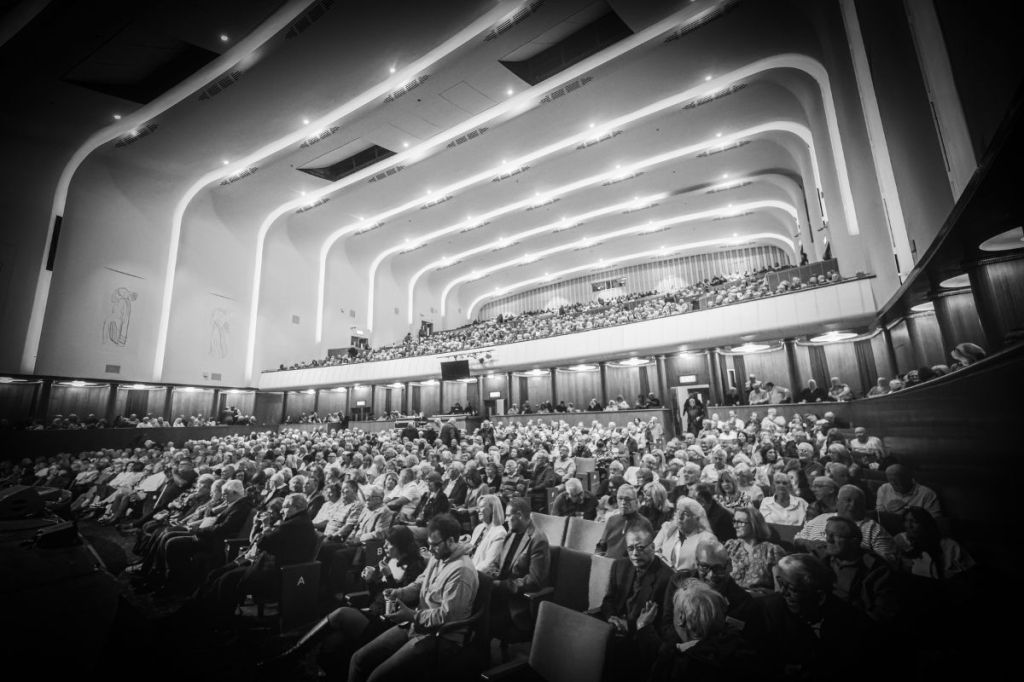
Shirakbari spoke briefly about the importance of remembering Burt and the songs that connect us, through experience, expression, or memory.
He then introduced the stunning voice of Shaun Escoffery, who delivered
an achingly beautiful Anyone Who Had a Heart.
For me, it’s one of Bacharach’s most emotionally charged pieces, a plea from someone who can’t understand why love isn’t being returned – we’ve all been there.
Written with his trademark rhythmic jolts that mirror the longing in the lyric, the song remains anchored by Dionne Warwick’s definitive 1963 recording, though it has travelled widely.
Cilla Black took it to No. 1 in the UK with an almost theatrical delivery, while Dusty Springfield, Shirley Bassey, Linda Ronstadt, Björk, Wynonna Judd and Elvis Costello have each reshaped it in their own way.
Every cover proves the same point: the emotional core is so strong it bends to any voice without losing its sting and God, I love the sting.
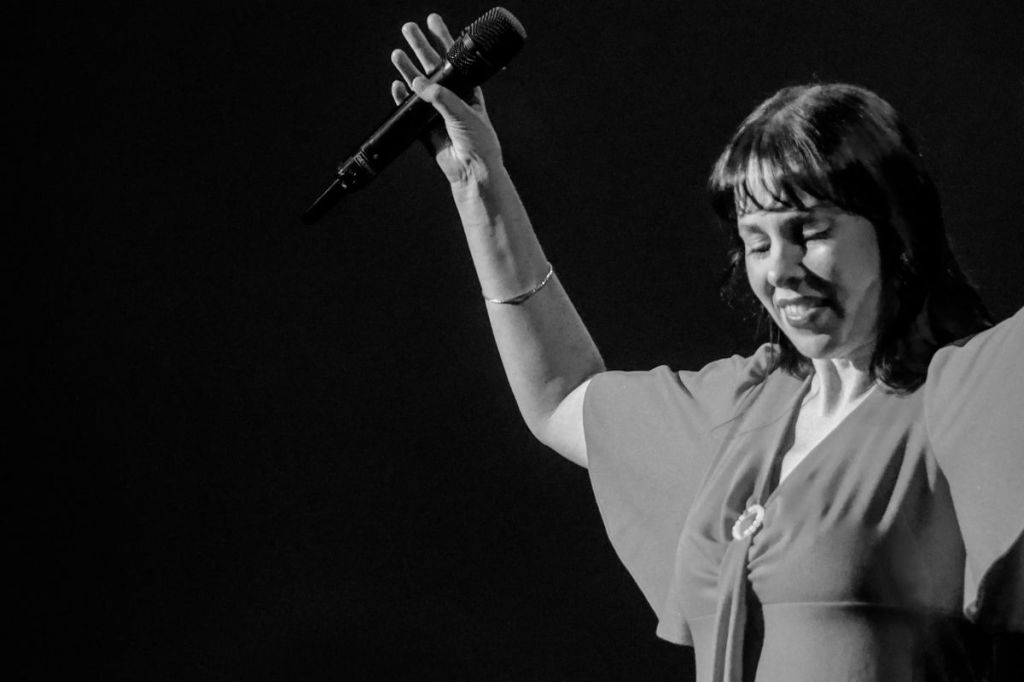
In contrast, the drama softened with the entrance of the beautiful Rumer, singing The Look of Love, one of Bacharach’s most unmistakable creations.
I had listened to the instrumental version on the drive in. This slow-burn bossa nova, built on sensuality, restraint and a hovering melody, was first recorded by Dusty Springfield in 1967 for the Casino Royale soundtrack.
Her breathy, intimate vocal became the song’s signature, turning it into one of her defining performances and earning Bacharach an Academy Award nomination for Best Original Song.

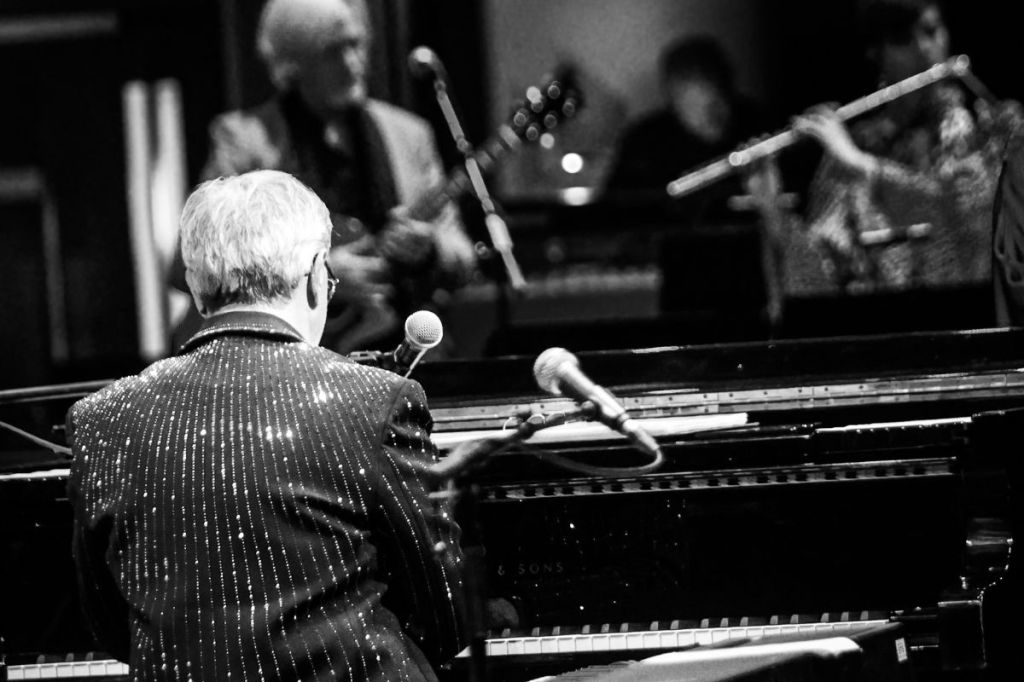
Shirakbari’s black sequinned jacket glistened in the low-lit hall as Rumer stood at his piano, pouring her vocal over the top like liquid silk.
The pace lifted again as Always Something There to Remind Me had the audience singing along once more. Shaun returned to the stage to louder cheers each time, clearly leaving a strong impression with his earlier performance.
Making Love followed, written about the messy aftermath where affection lingers even when the relationship doesn’t.
For me, the legend that is Roberta Flack and her 1982 recording remains the only version that conveys the idea with real maturity.
Bacharach began shaping the sound of popular music in the 1950s and didn’t stop for seven decades.
His songs were launchpads for other artists, introducing the world to Dionne Warwick, giving The Carpenters their first breakthrough, and helping artists like Sandie Shaw build careers that still resonate.
From the piano, Shirakbari reminded the room that Bacharach’s work carried entire generations of performers and tonight was simply a chance to hear the breadth of that legacy laid out in real time.
I’ll admit I deserved a small slap on the wrist for not fully grasping just how many songs Bacharach had a hand in.
My biggest surprise was What’s New Pussycat? Tom Jones’s swaggering classic, delivered here by Ed Harcourt, who had the audience gleefully throwing out the “whoooa” after every “What’s new pussycat?” line. They didn’t hold back, and neither did he.
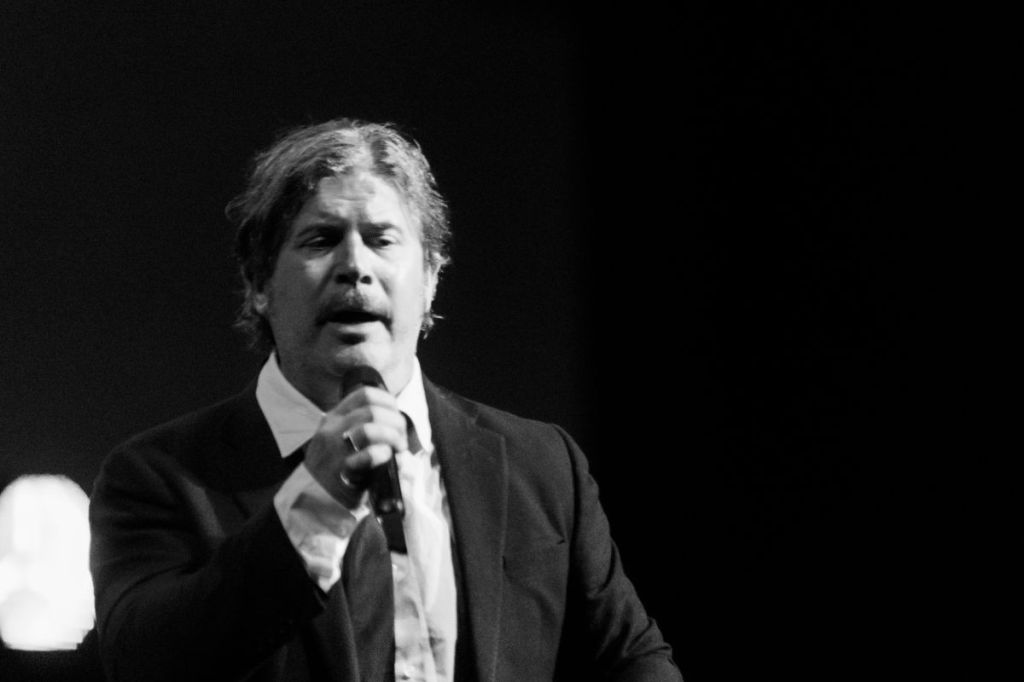
Then came one of Bacharach’s great mid-60s heartbreak pieces, Trains and Boats and Planes.
It’s about long-distance longing wrapped in that bright melancholy Bacharach architecture, where the melody lifts while the lyrics are breaking you.
Georgia van Etten and Jana Varga’s duet stripped it right down, just two voices and an acoustic guitar. The simplicity was devastating. Having only ever heard the Billy J. Kramer version, the delicacy of their delivery floored me.
I don’t mind saying it, it had me in tears. By this point, the emotional peaks and troughs of the evening were starting to take their toll, and I was more than happy to let them.
During the interval, my mind started to wander, noticing that each song’s arrangement jumped from major to minor, ‘happy to sad’, leaving me wondering about Burt’s private life to write so many emotionally charged pieces.
Bacharach’s catalogue might sound effortless, but the gentleman behind it carried more sorrow than most realise.
His personal life was marked by fractured marriages, long stretches of emotional distance, and the profound tragedy of his daughter Nikki’s lifelong struggles and eventual death.
The architecture and precision of his writing are unmatched, the ache that never leaves, translated in pieces like Anyone Who Had a Heart or Trains and Boats and Planes.
It clearly shaped his work, demonstrating him to be someone who understood how fragile love can be and how quickly it can slip away – heartbreakingly beautiful.
After the interval, I unexpectedly gained a companion in my box, a woman who had asked staff to relocate her because the people in her row were singing every single word with such gusto she couldn’t actually hear the performers she’d paid to see.
I couldn’t help but laugh, not at her misfortune, but at the sheer devotion on display. If nothing else, it proved the point: when an audience knows every Bacharach lyric by heart, they can’t help but sing every song.
The second half landed with as many heavy hitters as the first. Do You Know the Way to San Jose kept the energy high, but it was Rumour’s take on Close to You that stopped the room.
Carrying the same unforced simplicity as Karen Carpenter herself, it was a stunning moment, and yes, it set me off again.
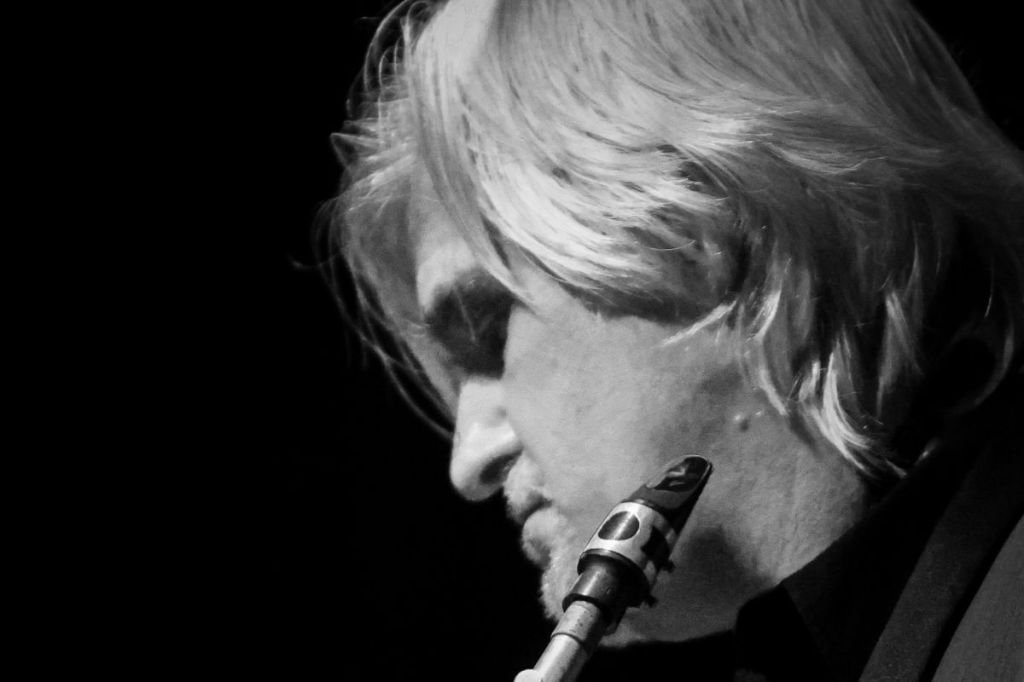
Then the mood shifted. Woody stepped up for Arthur’s Theme (Best That You Can Do), and just before the saxophone solo, crew members appeared from the wings to hand him the instrument.
It was one of those small, brilliant live music surprises that catches you off guard.
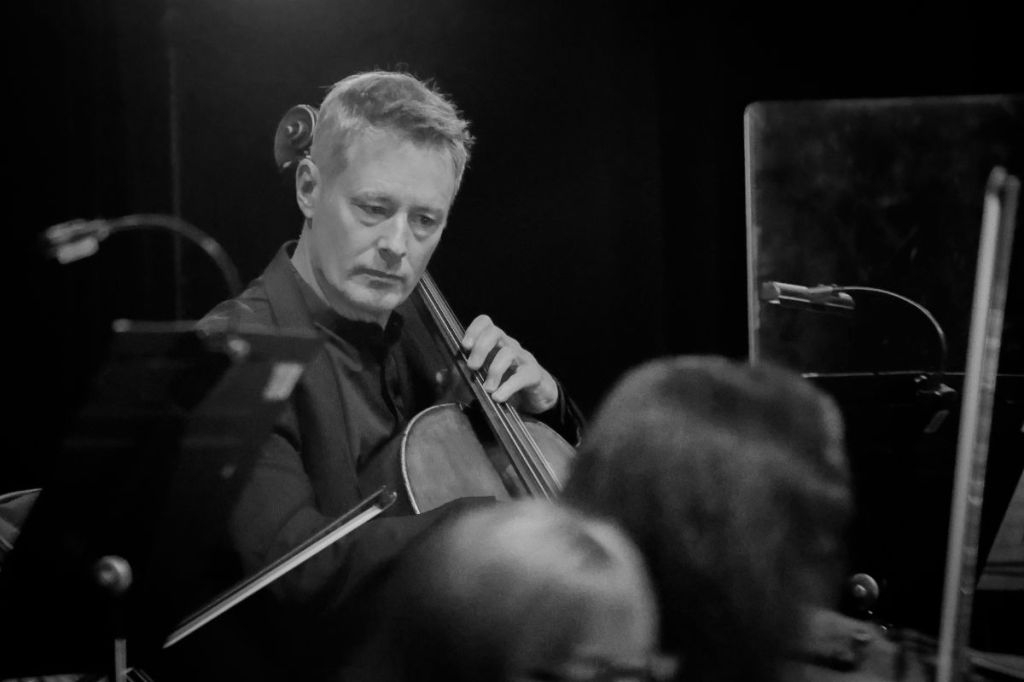
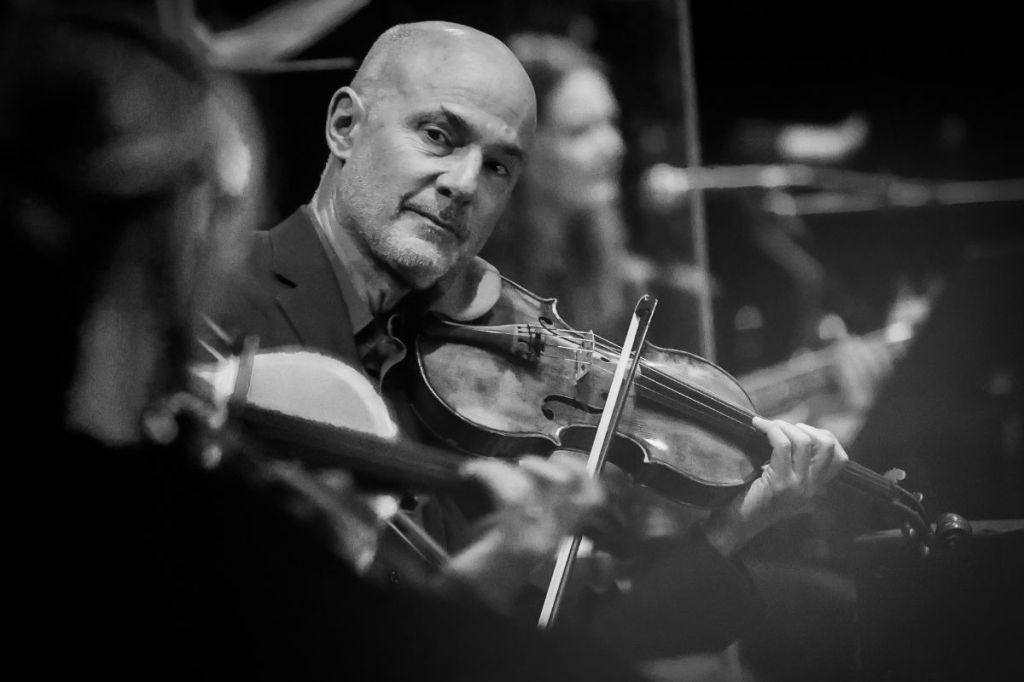
The stage looked like a workshop of musicians who genuinely enjoy playing together; multi-instrumentalists drifting in and out of each other’s songs, swapping roles, lifting arrangements – it was impressive.
Bacharach’s output is almost impossible to quantify, but most historians settle on a figure of well over 500 songs, a number that reflects the full sweep of his seven-decade career.
More focused discographies list around 114 released tracks, with Bacharach credited on 96 of them, though that only covers his album work from 1965 onwards and doesn’t even touch the vast catalogue he built from the 1950s through his film scores, collaborations and later projects.
Taken together, the broader 500-plus estimate is the only one that captures the scale of what he created, a body of work so extensive you only truly grasp it when you hear it laid out across an evening like this.
By the time the final stretch of the concert arrived, it felt like I had been on a walk through the emotional architecture of Burt Bacharach’s life.
Two-and-a-half hours of auditory bliss that I’d happily sit through again, and again.
I Say a Little Prayer brought that familiar lift, while Alfie landed with its usual sting, still prodding at the question of what any of this is supposed to mean.
What the World Needs Now felt uncomfortably current, a song born in the turbulence of the 1960s that now mirrors our own era of conflict with almost eerie accuracy.
To close the night, every artist stepped back onto the stage for Raindrops Keep Falling on My Head, that deceptively sunny shrug of resilience only Bacharach could write, a reminder that optimism is something you choose, not something that arrives on its own.
Sung together, it felt like the final thread in a larger tapestry of doubt, hope, longing, confusion, and all the small acts of faith that keep people upright when life tilts in the wrong direction.
Heard side by side, these songs made his legacy feel heavier and more human, rather than just a bunch of classic hits.
And in a world intent on tearing itself apart, the message hanging in the air was painfully simple.
What the world needs now isn’t complicated, ‘it’s love, sweet love’, and Bacharach spent a lifetime showing us how to recognise it.

